Interior design in Bolivia
2025 · 5 min read
Practical trends and tips
The importance of interior design in Bolivia
Interior design has a fundamental role in the configuration of spaces, so that they are functional and aesthetically pleasing. In Bolivia, interior design has experienced remarkable growth in recent years.Current interior design trends
Interior decoration trends are constantly evolving. Here are the top 10 trends in current interior design:1. Minimalist style
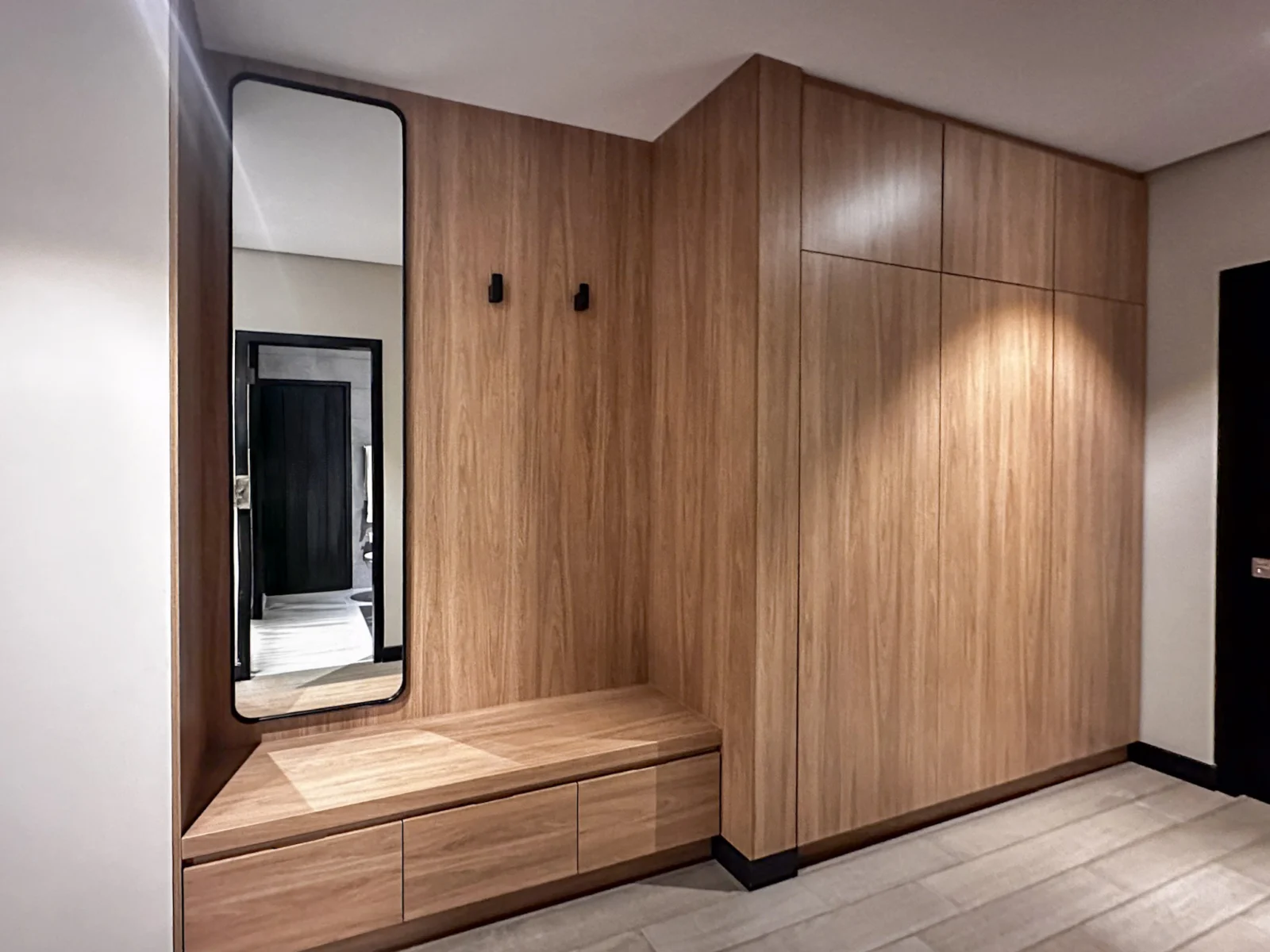
Bet on simplicity, clean lines and high-quality materials to create refined and timeless environments. Minimalism eliminates decoration in favor of clean spaces and leaves out objects that are not used. Different textures are combined in light and/or neutral colors.2. Scandinavian style
Functional, simple and clear spaces. The Nordic design is based almost exclusively on natural materials such as local wood and rattan, as well as linen, cotton and leather, which are complemented by light colors such as white, gray or beige.2. Industrial style
The structures seen, unrevoked brick walls, exposed pipes are deliberately used when furnishing industrial-style spaces. They are combined with untreated wood, with cracked leather and rough cement, a relaxed atmosphere is created with a touch of workshop.4. Japanese style
A calm and natural trend: the Japanese style combines Japanese and Scandinavian design elements with a Point in common, a strong connection with nature. It is committed to natural raw materials such as stone, paper or wood.
4. Eclectic style
A well-designed space with an eclectic style combines different styles in a harmonious way. To achieve a cozy and pleasing decoration, it is important to avoid combining very different colors that can be overwhelming.5. Retro style
The retro style has been one of the styles with the greatest trend in current interior decoration, it evokes a close past, with designs inspired by the 50s, 60s and 70s. One of the characteristics of the retro style is that it is very versatile and adapts very well to other trends.6. Integrated technology
Use of integrated technology and intelligent devices that improve the functionality and comfort of the home through the automation of activities and processes, optimizing consumption and guaranteeing greater comfort.7. Boho style
The boho style is inspired by the hippie fashion and culture of the 60s and 70s. A style in which everything goes, with a mixture of styles and cultures, where bohemian elements, ethnic decoration, vintage and romantic are combined.A very versatile decoration style in which almost everything is worth it. New furniture can be mixed with flea flea market finds, so it's not uncommon to have six different chairs on a large table. As for the decoration, it is committed to untreated natural materials, such as wood, rattan, cozy cotton fabrics, mohair and linen, and the resulting colors, beige, coffee and olive. At home, accents can easily be worn with bright yellows, blues, and eye-catching ethnic motifs, wild fringes, and dazzling embroidery. Simple handmade techniques such as batik and macrame allow you to create your own DIY projects, such as hammocks, tapestries or hanging baskets, so that at the end the style boho Be above all one thing: personal and individual.9. Rustic style
Like a country house, with wooden beams and exposed brick, furniture is used that can have a few years of use that give it that country touch. Eclectic and relaxed aesthetic that fuses influences from various cultures and eras, highlighting ethnic and vintage pieces from the fifties, sixties and seventies.
10. Traditional and classic style
It does not follow current trends.